
led mirrors for sale
Understanding Metal Marking Gauges A Key Tool for Precision in Metalworking In the realm of metalworking, precision is paramount. One of the essential tools that facilitate precision in marking and measuring is the metal marking gauge. This tool plays a crucial role in a wide array of applications, from metal fabrication to woodworking, setting the stage for accurate cuts and joints. In this article, we will delve into what a metal marking gauge is, its components, various types, and its essential applications in the industry. What is a Metal Marking Gauge? A metal marking gauge is a specialized tool designed for marking precise lines on metal surfaces. Unlike a conventional ruler or tape measure, a marking gauge allows for an accurate establishment of a reference line from the edge of the material. This ensures that cuts or drill holes are made with pinpoint accuracy, ultimately leading to higher quality work and reduced waste. Components of a Metal Marking Gauge A typical metal marking gauge consists of several key components 1. Beam The beam is the main body of the gauge and is often made of durable materials like steel or aluminum. It provides a straight edge for guiding the marking process. 2. Sliding Arm The sliding arm is adjustable and allows for setting the desired distance from the edge of the material. It can be locked in place to maintain precision during use. 3. Scribe or Marking Tip The tip of the gauge is typically sharp, allowing for clear markings on the metal surface. The marking tip can sometimes be replaced or adjusted for different marking needs. 4. Base The base stabilizes the tool against the workpiece and ensures that the marking is consistent across multiple measurements. Types of Metal Marking Gauges Metal marking gauges come in various forms suited for different applications metal marking gauge 1. Single Marking Gauge A basic type of gauge that allows for marking a straight line along a single edge. It is typically used for simpler projects. 2. Dual Marking Gauge This type features two scribing points, allowing for the marking of two parallel lines in one pass. It is particularly useful for establishing joint lines or for ensuring uniform spacing. 3. Digital Marking Gauge Advanced models incorporate digital readouts that provide measurement accuracy and ease of use. These gauges often include features like preset distance settings and memory functions. 4. Router Marking Gauges Designed specifically for routing applications, these gauges help create accurate lines for router bit setups, improving the precision of cuts. Applications in the Industry The metal marking gauge is indispensable in various industries, including 1. Metal Fabrication In fabrication shops, marking gauges are vital for ensuring accurate cuts and joints. They help in layout work for welding or assembly, reducing errors that could lead to material wastage. 2. Machining In machining applications, precise measurements are crucial for producing parts that fit together well. A metal marking gauge allows machinists to lay out dimensions clearly before cutting. 3. Woodworking Though primarily associated with metalworking, marking gauges are also popular among woodworkers. They assist in marking grain lines or joinery, contributing to the overall quality of wooden projects. 4. Jewelry Making Artisans creating intricate designs on metal often use marking gauges to achieve the fine details required for high-quality pieces. Conclusion In conclusion, the metal marking gauge is an essential tool in the toolkit of any metalworker or craftsman. Its ability to provide consistent, precise markings on metal and other materials ensures a high level of workmanship that is vital for professional results. Whether you are a hobbyist or a seasoned professional, understanding how to effectively use a metal marking gauge can significantly enhance the quality and accuracy of your projects. As technology continues to advance, the evolution of metal marking gauges promises even greater precision and ease of use, making them indispensable in an increasingly demanding industry.
about
led mirrors for sale
The Importance of Taper Plug Gauges in Precision Measurement In the realm of engineering and manufacturing, precision is paramount. Components must fit together perfectly to ensure the functionality and longevity of machines and products. One of the critical tools used in this quest for accuracy is the taper plug gauge. This article will explore what taper plug gauges are, how they are used, and why they are vital in various industries. Understanding Taper Plug Gauges A taper plug gauge is a precision measuring instrument designed to check the dimensional accuracy of tapered holes in various components. Typically made of high-grade steel, these gauges feature a tapered shape that corresponds to the specifications of the hole being checked. The gauge is inserted into the hole, and the fit—or lack thereof—indicates whether the hole is within tolerance limits. Taper plug gauges come in various sizes and taper angles, and they may be categorized as either go or no-go gauges. A “go” gauge must fit into the hole if the component is made correctly, while a “no-go” gauge must not fit. This binary testing method is straightforward and effective, providing a quick assessment of a component's dimensional integrity. Applications in Various Industries Taper plug gauges are widely used across several sectors, including aerospace, automotive, and manufacturing. In the aerospace industry, for example, the precise fit of components is essential for safety and performance. Tapered holes often accommodate fastening systems, and any deviations from specified dimensions could lead to catastrophic failures. Thus, taper plug gauges are an integral part of quality assurance processes. taper plug gauge is used for checking In the automotive sector, these gauges are used to ensure that engine components, transmission systems, and other crucial parts meet stringent specifications. Given the high-performance nature of automotive applications, any miscalculation can result in reduced efficiency or, worse, accidents. Taper plug gauges help manufacturers maintain high standards of quality. In manufacturing settings, taper plug gauges facilitate the mass production of parts that must all adhere to exact specifications. When working with molds and dies, for example, a taper plug gauge can quickly determine if the manufactured items meet the required tolerances. Ensuring Quality Control The use of taper plug gauges is part of a broader quality control strategy that includes various measuring tools and techniques. Regular inspection of components using these gauges ensures compliance with industry standards and specifications. Any deviations can prompt corrective actions, whether that involves adjusting the manufacturing process or re-evaluating the design. Moreover, taper plug gauges contribute to cost-effectiveness. By minimizing the risk of defective parts, manufacturers can reduce waste and downtime, ultimately enhancing productivity. Investing in high-quality taper plug gauges can yield significant returns through improved efficiency and reliability. Conclusion In summary, taper plug gauges are indispensable instruments in the field of precision measurement. Their ability to quickly and accurately assess the dimensions of tapered holes ensures that components fit together correctly, aiding in the overall quality control process. Whether in aerospace, automotive, or manufacturing, the role of these gauges cannot be overstated. As industries continue to evolve and demand higher standards, the importance of reliable measuring tools like taper plug gauges will only grow. By utilizing such gauges, companies not only adhere to stringent requirements but also foster innovation and excellence in production practices.
-

High quality industrial productsagement

High quality industrial products
View Details -

Meet the diverse needs of customers

Meet the diverse needs of customers
View Details -

Strict quality control

Strict quality control
View Details -

Top raw materials

Top raw materials
View Details -

Trusted supplier

Trusted supplier
View Details
Our application

news and information

Válvula Strainer Tipo Y - Proteção Eficiente para Sistemas de Tubulação
Válvula de Strainer do Tipo Y Importância e Aplicações As válvulas de strainer, conhecidas também co
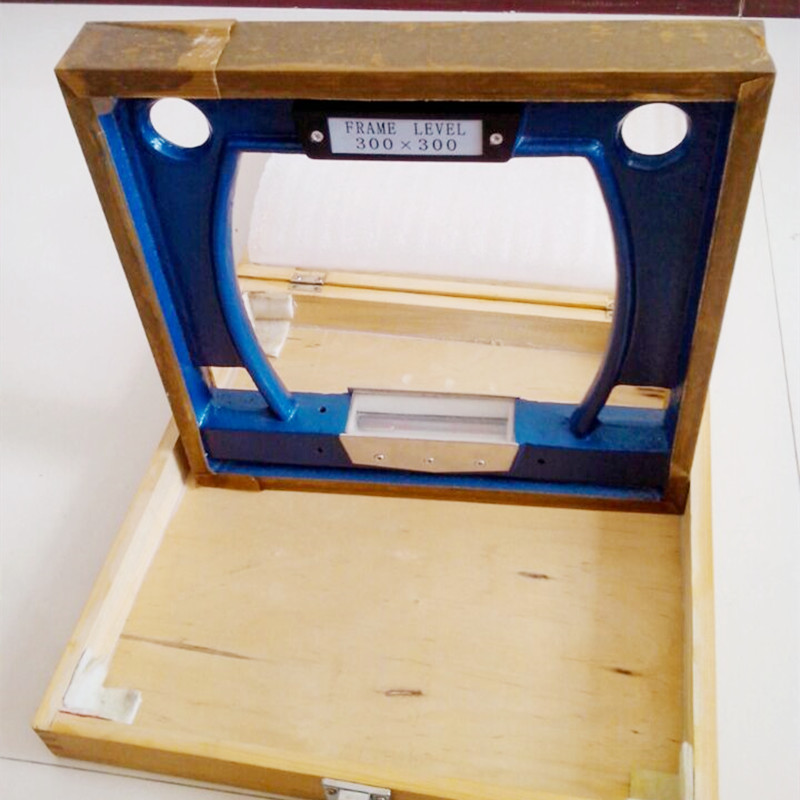
Using a Level to Create Accurate Markings on a Ruler
marking ruler with spirit level .

Valvola a farfalla da 250 mm per applicazioni industriali e sistemi di controllo del flusso
Valvola a Farfalla da 250 mm Un Componente Essenziale per la Regolazione dei Fluidi La valvola a far
 English